Introduction
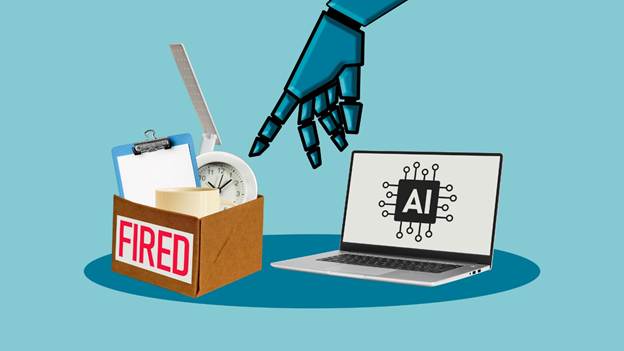
Today’s technology news reports a new wave of large-scale layoffs at major tech companies, with Reuters detailing that Amazon plans to cut around 14,000 jobs in its latest round of corporate reductions published today, January 25, 2026, deepening a trend of workforce contraction in the sector. A companion article from independent layoffs-tracking highlights that AI and automation are cited as significant factors behind these cuts, as companies increasingly adopt intelligent systems that reduce labor costs and streamline operations. This percolating shift signals a structural disruption in how labor and technology interact across major enterprises. (The Times of India)
Why It Matters Now
The disruption stems from the accelerating integration of AI technologies that automate tasks once performed by human employees. Job reductions of this scale—particularly in corporate, managerial, and knowledge work segments—reflect not merely cyclical cost cutting but an irreversible tilt toward intelligent automation. This shift influences not only hiring plans but also the fundamental design of organizational roles, productivity expectations, and human capital deployment. (The Times of India)
Call-Out
AI is not only reshaping tasks but redefining the structure of employment itself.
Business Implications
Enterprises are confronting a dual challenge: balancing the efficiency gains from intelligent automation against the societal, operational, and cultural impacts of reduced human labor. For technology vendors, automation platforms, AI toolchains, and intelligent process orchestration software will see increased adoption as companies reallocate spending from headcount to technology. However, this trend also imposes risks: workforce morale, talent retention, and brand reputation are affected when labour reductions become widespread.
The shift also affects adjacent markets. Outsourcing and consulting firms that once monetized labor arbitrage must now pivot to automation deployment services. Workforce retraining, transition assistance, and human-AI collaboration frameworks are emerging as new lines of business. Regulators and policymakers are also responding, with discussions about workers’ rights, income support, and taxation of automated processes becoming more central. (The Indian Express)
Looking Ahead
In the near term, organizations will develop hybrid operating models where AI systems augment human teams across software development, operations, and customer support. Over the longer term, entire job categories may evolve or vanish as AI systems gain enough capability to perform tasks that traditionally required deep specialization.
Companies and governments will increasingly need to implement AI competency frameworks, reconsider educational requirements, and invest in reskilling initiatives. The workforce of the future will likely combine human strategic oversight with machine execution—a paradigm shift with profound economic and social implications.
The Upshot
The continuation of tech layoffs in 2026, with AI cited as a contributing factor, represents more than a headline; it is a structural disruption in how work is designed, automated, and valued. Organizations that strategically integrate AI while supporting human adaptability will be best positioned for sustained competitiveness in the evolving technology landscape.
References
Amazon prepares to eliminate around 14,000 jobs in latest tech layoffs, published January 25, 2026. (The Times of India)
Major tech layoff wave carries into 2026 with AI-linked cuts, published January 25, 2026. (The Indian Express)
 Disruption is a Fact of Life
Leave a comment